
 Dhokra Casting
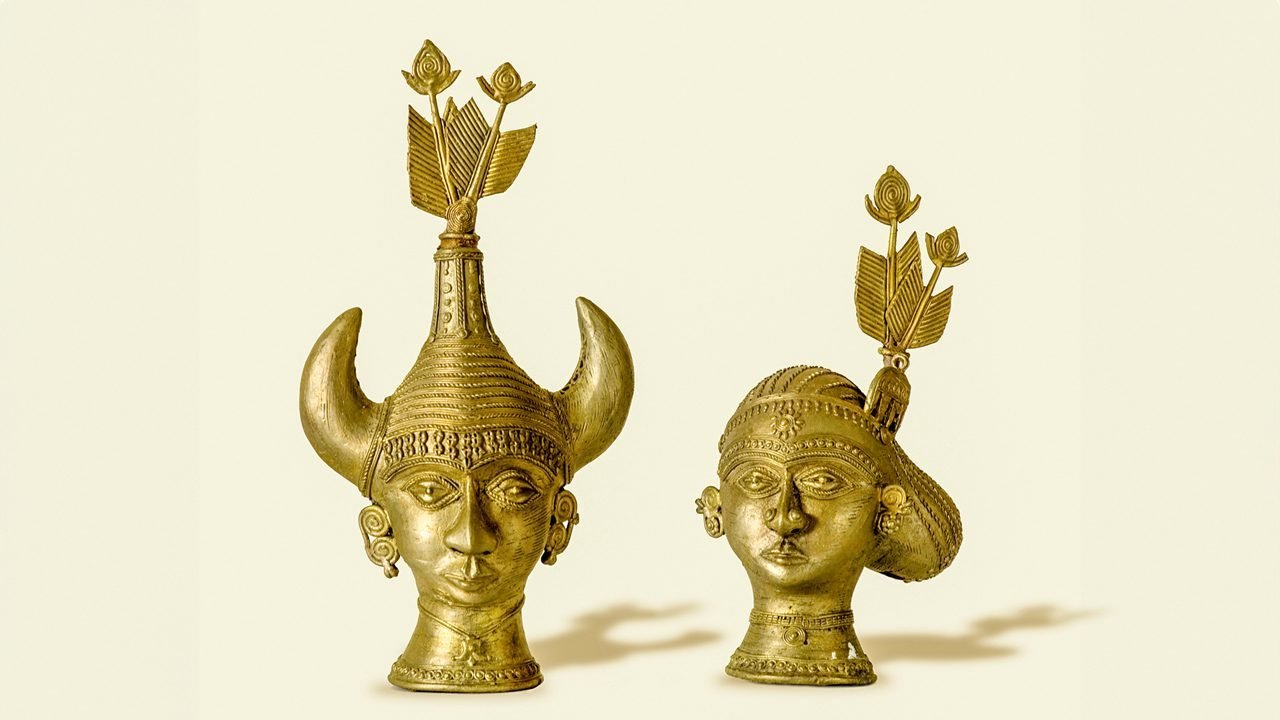
Dhokra at a glance
| Origin | Tribal metalsmith communities of West Bengal, Odisha, Chhattisgarh, Jharkhand and Telangana |
| Craft type | Non-ferrous metal casting by the lost-wax (cire perdue) method |
| Main materials | Brass (often recycled scrap), beeswax or wax with dammar resin, clay, rice husk |
| Technique | Wax model over a clay core, encased in clay, wax melted out, molten metal poured in, mould broken |
| Signature look | Rustic, textured brass with fine wax-thread patterns and an antique finish |
| Known for | Animals, tribal figures and deities; techniques linked to the Mohenjo-daro "Dancing Girl" |
| GI status | Several regional GIs, including Bengal Dokra (2018) and Adilabad Dokra (2018) [verify Bastar Dhokra] |
| Typical products | Elephants, horses, owls, tortoises, deities, lamps, bowls, jewellery |
| Price range on KLAYVA | ₹[X]–₹[Y] [from live listings] |
| Good for | Diwali and corporate gifts, statement décor, collectors |
| Care | Dust with a dry cloth; keep dry; don't polish to a shine |
What is Dhokra?
Dhokra is one of India's oldest ways of working metal. It uses the lost-wax method: the artisan makes a model in wax, covers it in clay, and heats it until the wax melts and runs out, leaving a hollow mould. Molten brass is poured into that space. Once it cools, the clay is broken away, and the metal figure is finished by hand.
Because the mould is broken to free each piece, it can never be used again. That's why no two Dhokra pieces are the same. Even a pair of elephants by the same artisan will differ in their posture, patterns and texture.
Dhokra is recognisable by its look: brass with a rustic, slightly rough surface, covered in fine raised lines and spirals that started as threads of wax. The name comes from the Dhokra Damar, traditional metalsmith communities whose work spans West Bengal, Odisha and Jharkhand. Related communities practise the craft in Chhattisgarh, Telangana and beyond, each with its own style.
Where does Dhokra come from? History and origin
Lost-wax metal casting has been practised in India for more than 4,000 years. One of the earliest known examples is the bronze "Dancing Girl" from Mohenjo-daro, dated to around 2300–1750 BCE and now in the National Museum, New Delhi. Today's Dhokra is a living form of this ancient technique.
The craft takes its name from the Dhokra Damar, once a nomadic community of metalsmiths. For generations, Dhokra makers in Bengal travelled from village to village, repairing utensils and trading small figures of gods for grain. Figures of Lakshmi with her owl, Lakshmi Narayan, and Radha Krishna were especially popular, and were thought to bring good fortune to newly married couples.
Over time, Dhokra communities spread across India and developed distinct regional styles:
- West Bengal: Bikna near Bankura and Dariapur in Bardhaman are major centres.
- Odisha: Artisans in Dhenkanal and Kandhamal make deities, tortoise motifs and the mahuri, a wind instrument with a Dhokra bell.
- Chhattisgarh: In Bastar, the Ghadwa community is known for brass and bell-metal pieces, including the famous Dhokra bull.
- Jharkhand: Communities make containers with animal and bird motifs, deities and miniatures.
- Telangana: Adilabad's artisans work mostly in solid casting.
Regional versions of the craft have been recognised with Geographical Indications, including Bengal Dokra and Adilabad Dokra, both in 2018.
How is Dhokra made?
Dhokra is made by shaping a clay core, covering it with wax, adding fine wax-thread details, encasing it in layers of clay with a channel for metal, heating it so the wax melts out, pouring in molten brass, and breaking the clay mould once the metal has cooled.
- Make the core. The artisan shapes a rough core from riverbed clay mixed with rice husk and coal dust, roughly the shape of the final piece.
- Cover in wax. The core is covered in a layer of wax, traditionally beeswax mixed with dammar resin and nut oil. Paraffin wax is now also common.
- Add the detail. Wax is drawn into fine threads and applied by hand to create eyes, spirals, borders and textures. This is the most skilled and time-consuming step.
- Encase in clay. The wax model is covered in several layers of clay, leaving a small channel for the metal to flow in. It's then dried in the sun.
- Melt out the wax. The mould is heated, and the wax melts and drains away. That's the "lost wax".
- Pour the metal. Brass, often recycled scrap, is melted in a furnace and poured into the mould, filling the space the wax left behind.
- Break the mould. Once cool, the clay is broken away. The mould can never be reused.
- Finish. The core is removed where needed, and the piece is cleaned, filed and polished to bring out its texture.
